Hackney Council rules for memorial flowers in Stoke Newington
Posted on 20/10/2026
If you are leaving memorial flowers in Stoke Newington, the small details matter more than people expect. A bouquet tied neatly to a rail can feel like a simple act of care, but local council rules, safety concerns, and the practical reality of busy streets can all shape what is allowed. This guide explains the Hackney Council rules for memorial flowers in Stoke Newington in plain English, so you can leave a tribute respectfully, avoid problems, and keep the memorial looking dignified rather than cluttered. Truth be told, a lot of confusion comes from people wanting to do the right thing and not quite knowing where the line is.
In the sections below, you will find a clear breakdown of why the rules matter, how memorial flowers are typically managed, what to check before placing anything, common mistakes, best practice, and a practical checklist you can use on the day. We will also look at the difference between a temporary floral tribute and a longer-term memorial arrangement, because those two things are not always treated the same. That's where people can get caught out, and nobody wants a well-meant tribute removed because of a simple oversight.
Table of Contents
- Why Hackney Council rules for memorial flowers in Stoke Newington Matters
- How Hackney Council rules for memorial flowers in Stoke Newington Works
- Key Benefits and Practical Advantages
- Who This Is For and When It Makes Sense
- Step-by-Step Guidance
- Expert Tips for Better Results
- Common Mistakes to Avoid
- Tools, Resources and Recommendations
- Law, Compliance, Standards, or Best Practice
- Options, Methods, or Comparison Table
- Case Study or Real-World Example
- Practical Checklist
- Conclusion
- Frequently Asked Questions
Why Hackney Council rules for memorial flowers in Stoke Newington Matters
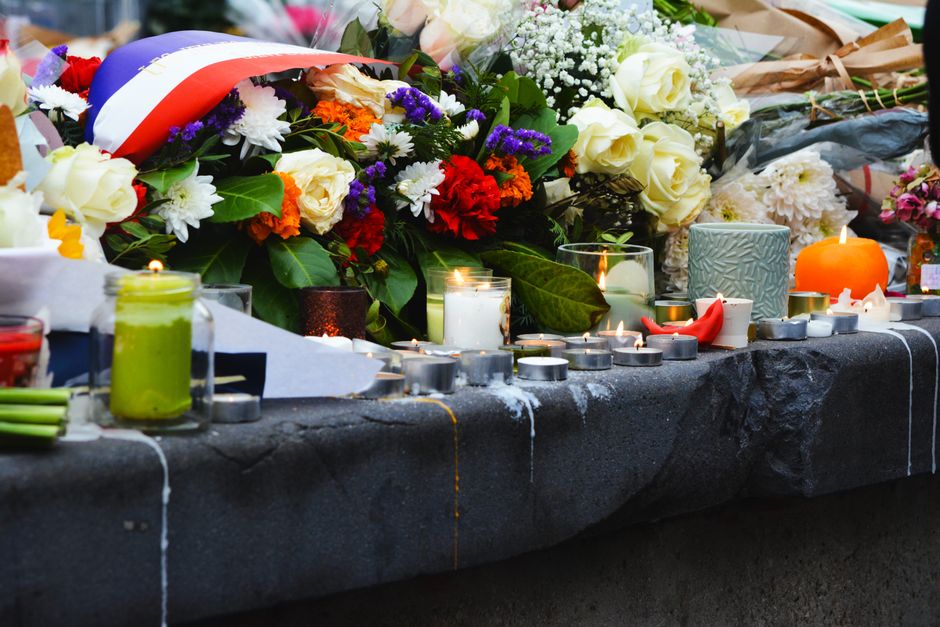
Memorial flowers are personal. They are also public. That is the tension at the heart of this topic. In Stoke Newington, as in other parts of Hackney, memorial tributes may be placed near streets, railings, parks, churches, or places of significance, but the council still has to manage safety, access, cleanliness, and local amenity. A row of flowers can be moving; a blocked footway, not so much.
Why does it matter so much? Because public spaces have to work for everyone. A tribute that is perfectly respectful to one family can, if left too long or placed poorly, become a trip hazard, block maintenance access, or interfere with cleaning crews and pedestrians. There is also the very human side of this: flowers fade quickly in warm weather, ribbon loosens, cards blow away, and what felt like a loving gesture on Monday can look a bit tired by Friday afternoon.
In practical terms, knowing the local expectations helps you:
- choose a placement that is more likely to be accepted or tolerated
- avoid using materials that may be considered unsafe or inappropriate
- decide whether you need a temporary tribute or a longer-lasting arrangement
- reduce the risk of removal during street cleaning or site maintenance
- show respect to other residents and visitors who use the same space
There is also a wider emotional benefit. When a memorial is managed properly, it tends to feel calmer and more cared for. A tidy floral tribute speaks quietly. It does not shout for attention, and that is often exactly what people want.
How Hackney Council rules for memorial flowers in Stoke Newington Works
At a high level, the council's approach is usually shaped by three things: location, duration, and public safety. That sounds dry, I know, but it is the backbone of how these decisions are made.
Location is the first question. Flowers left in a place that is clearly a memorial point, or at a location where tributes are commonly placed, may be treated differently from flowers left randomly on a pavement edge or tied to street furniture. If the flowers are near a road, cycle route, step, gate, or narrow path, extra care is needed.
Duration matters because a memorial left for a short period after an incident or remembrance event is not the same as a semi-permanent display. Councils usually expect that temporary tributes are collected or refreshed before they become untidy or obstructive. If you are leaving flowers for several days, assume they will need checking.
Safety is the final filter. Anything that could snag a passer-by, attract litter, fall into a carriageway, or obstruct visibility can create a problem. So can glass vases, broken containers, metal spikes, candles, wire frames, or items that are likely to topple in wind and rain. To be fair, the weather in London likes to have its own opinion.
If you are unsure, the safest approach is to keep the tribute modest, low-profile, and easy to maintain. A hand-tied bunch, a simple posy, or a neatly secured arrangement is usually easier to manage than a large, loose display. For more general floral options that fit a range of occasions, many people look at flowers in a vase or a compact basket or posy, because those formats are often tidier and less likely to spread across a pavement edge.
One useful thing to understand: public memorials are often handled on a case-by-case basis. In other words, there may not be a single universal rule that fits every street corner in Stoke Newington. The exact response can depend on the site, the reason for the tribute, and whether the area needs regular maintenance. So if you are planning something important, it is wise to think carefully before placing flowers and assume a practical, commonsense standard will be applied.
| Tribute type | Best use | Likely council concern | Practical note |
|---|---|---|---|
| Small hand-tied bouquet | Short-term remembrance | Low, if secured properly | Easy to refresh or remove |
| Posy or basket | Compact public tribute | Space and stability | Better in windy or busy spots |
| Large wreath or spray | Formal remembrance | Size and obstruction | Needs careful placement |
| Tribute with candles or glass | Personal ceremony | Safety and damage risk | Often not ideal in public areas |
| Longer-term floral memorial | Ongoing remembrance | Maintenance and tidiness | Needs regular checking |
Key Benefits and Practical Advantages
Following the local expectations around memorial flowers is not just about avoiding trouble. It can actually make the tribute better.
First, it preserves dignity. A well-placed arrangement feels intentional. It looks cared for, even days later. A tribute that has been thought through is far more powerful than one that is flopping over in the rain beside a dropped card and a soggy ribbon.
Second, it reduces stress. If you know the practical boundaries, you spend less time worrying about whether something is allowed and more time focusing on the person or event you are remembering. That peace of mind matters, especially during grief.
Third, it helps avoid preventable removal. Councils and local teams sometimes have to clear items that are unsafe, obstructive, or neglected. If your tribute is tidy, modest, and suitable for the setting, it is more likely to remain in place for as long as intended.
Fourth, it supports shared space. Stoke Newington is busy, lived-in, and full of different routines happening at once. A considerate tribute lets others pass safely while still giving the memorial presence.
Fifth, it improves floral longevity. When you choose appropriate flowers, water sources, and placement, the arrangement simply lasts better. A practical memorial often needs less fuss. Less fuss is good.
If you are ordering flowers specifically for a remembrance or sympathy setting, some people prefer classic options such as funeral flowers or sympathy flowers because the design style tends to be more restrained and appropriate for memorial use. For a more traditional tribute shape, wreaths are often chosen, while a softer hand-tied arrangement can work better where space is tight.
Who This Is For and When It Makes Sense
This guidance is for anyone who wants to leave flowers in Stoke Newington with respect and a bit of practical common sense. That may be a family member marking a death, a friend remembering someone on an anniversary, a neighbour joining a community tribute, or someone visiting a special local place with flowers in hand and a heavy heart.
It also makes sense if you are acting on behalf of a group. For example:
- a resident organising a neighbourhood memorial
- a faith group planning a tribute after a service
- a workplace or community group contributing flowers
- someone sending flowers to a local address with remembrance in mind
- a florist preparing a tribute for delivery to the area
There are a few situations where extra caution is sensible. If the flowers are going near a road junction, steps, narrow pavement, or a location that gets regular street cleaning, think twice about scale and materials. If the memorial is likely to stay in place for more than a few days, plan for maintenance. And if the tribute is associated with a sensitive public event, keep it simple and respectful. No one needs a giant display to prove they cared.
For people ordering from a local florist, a store category like tributes or a more compact compassion posy can be a better fit than a highly decorative bouquet. If the flowers are meant for delivery rather than hand placement, the general delivery pages may also help you plan timing so the tribute arrives when it can be placed properly.
Step-by-Step Guidance
Here is a simple way to approach memorial flowers in Stoke Newington without overcomplicating it.
- Check the location. Look at the pavement width, foot traffic, weather exposure, and whether the spot is already used for memorials. If people are squeezing past on one side, keep the tribute small.
- Decide whether the tribute is temporary or ongoing. A same-day memorial bunch is different from a long-term remembrance arrangement. The longer it stays out, the more likely it needs maintenance.
- Choose an appropriate flower style. Simple bouquets, posies, wreaths, and baskets are usually easier to manage than wide, sprawling pieces. A low arrangement is often the safest choice.
- Avoid risky materials. Glass, loose wire, candles, and anything sharp or unstable can create issues. In a public place, less is usually more.
- Secure the flowers properly. If you are attaching them to a rail or barrier, make sure they will not slide, twist, or fall. Wind gusts off the street can be sneaky.
- Include a card only if it can stay dry and tidy. A small message is thoughtful, but bulky paper or loose ribbon can become litter if the weather turns.
- Return to refresh or remove. If the memorial is important to you, check on it. Replace wilted flowers, remove rubbish, and take the arrangement away when it has run its course.
That sequence may sound a bit obvious, but it prevents most of the problems people run into. And honestly, the obvious stuff is where the success usually lives.
If you want a remembrance arrangement that already leans towards neatness and stability, something like a spray, wreath, or cushion design is worth considering. A few examples from the local range include serenity spray, loving memory wreath, and peaceful thoughts cushion. Different shapes suit different spaces, and that matters more than people often realise.
Expert Tips for Better Results
In our experience, the memorials that stay respectful longest are the ones planned with a light touch. Not flashy. Not fussy. Just considered.
Keep the footprint small. A tribute that stays within a neat area is easier for everyone to live with. It also photographs better, if that matters to the family. A tidy, concentrated memorial feels intentional rather than accidental.
Choose hardy flowers. If you are worried about longevity, ask for stems that hold up well in mixed weather. Some arrangements age more gracefully than others, and a florist can usually help with that. It is a practical detail, but one that makes a real difference after day two or three.
Think about colour with care. White, purple, and soft mixed tones are often chosen for remembrance because they feel calm and traditional. That said, there is no single rule. A tribute can be personal without being loud. If you want a structured floral option, white flowers, purple flowers, or mixed colours can all work depending on the setting.
Use wording that fits the tone. A short card message is usually enough. "Forever loved," "With deepest sympathy," or a name and date can say a lot without overdoing it. Let's face it, grief rarely needs decoration.
Plan for the weather. Rain, wind, and even strong sun can change how a tribute behaves. A display that seems fine at 10am may look very different by late afternoon, especially near open streets. A small practical adjustment, such as weighted packaging or a better-secured base, can save the whole arrangement.
Ask locally if the site is sensitive. If the flowers are going near a church gate, a community building, or a commemorative place where other tributes already exist, a local check is worth it. A quick conversation can prevent a lot of awkwardness later.
Common Mistakes to Avoid
The biggest mistakes are usually not bad intentions. They are assumptions.
- Assuming every location works the same way. A quiet side street is not a busy main road. A memorial can be welcome in one place and risky in another.
- Using fragile containers. Glass vases look elegant at home; outside, not so much. They can break, tip, or become unsafe.
- Leaving flowers without checking them. Memorials need maintenance if they are more than a brief tribute. Wilted flowers and litter can feel sadly neglected.
- Making the arrangement too large. Oversized tributes may look impressive for a few hours and then become hard to manage. Bigger is not always better.
- Blocking access. Even a small arrangement can become an issue if it narrows a pavement or covers an entrance point.
- Ignoring local cleaning or maintenance. Street teams, grounds staff, or building managers may need access. If you are placing flowers in a managed space, factor that in.
- Using materials that blow away. Loose tissue, ribbon ends, cellophane, and light cards can become litter very quickly.
One small but common misstep is over-personalising the tribute in a way that makes it harder for other people to recognise or respect. A memorial should feel like a tribute, not a private installation. Slightly blunt, yes, but useful.
Tools, Resources and Recommendations
You do not need much to do this well, but the right small tools help. A strong pair of scissors, florist wire if appropriate, waterproof tape, a cardholder, and a simple container can make all the difference. If you are collecting flowers yourself, use a clean bucket or box so stems do not get crushed on the journey.
For readers ordering online, it helps to browse by format rather than just by colour. That usually produces a better result for memorial use. A few practical categories that can support a respectful tribute include:
- sprays for a formal, structured look
- wreaths for traditional memorial shape
- letter tributes when names or initials are appropriate
- baskets and posies for compact placement
- sympathy florist choice options if you want a florist-led selection
It can also help to use the florist's care guidance if the tribute includes fresh stems that need a bit of attention once delivered. A little water, a shaded spot, and a quick check for drooping flowers can extend the life of the arrangement more than people expect. Small stuff, but it adds up.
If you are working with a budget, consider a simple shape with good stem quality instead of a larger showy design. A modest tribute that stays fresh looks better than an expensive one that collapses by lunchtime. You will notice the difference almost immediately.
Law, Compliance, Standards, or Best Practice
Because memorial flowers sit in public space, the best approach is to follow a cautious blend of local rules, common-sense public safety, and respectful placement. It is sensible to assume that councils may remove items that create hazards, restrict access, or become untidy over time. That may include flowers, cards, stands, ribbons, or other tribute items if they are left in a way that causes a problem.
In general, good practice means:
- keeping tributes away from hazards or narrow walkways
- avoiding anything sharp, breakable, or flammable
- ensuring the memorial does not block maintenance or emergency access
- removing or refreshing items before they deteriorate badly
- being mindful of nearby residents, businesses, and passers-by
If the memorial is in a managed place such as private property, a churchyard, or a community site, there may be separate local expectations from the site owner. That is why a one-size-fits-all answer is tricky. One person's "perfectly fine" can be another person's "please move that before someone trips."
For more formal remembrance settings, many people choose established sympathy or funeral styles because they are already designed to look respectful and controlled. That is not just aesthetic. It often helps with practicality too.
Expert summary: The safest memorial flower arrangement is usually the simplest one: compact, stable, easy to refresh, and placed where it does not interfere with daily life. When in doubt, reduce size rather than increasing it.
Options, Methods, or Comparison Table
Not every memorial needs the same style. The right choice depends on the location, the duration, and how formal or personal you want the tribute to feel.
| Option | Best for | Strengths | Limitations |
|---|---|---|---|
| Hand-tied bouquet | Short-term tribute | Simple, flexible, easy to carry | Can dry out or scatter if unsecured |
| Posy | Tight spaces | Compact, neat, low risk | Smaller visual impact |
| Wreath | Traditional remembrance | Formal and recognisable | Needs enough space |
| Spray | Service or memorial display | Elegant, structured, readable | Less suitable for very narrow spots |
| Basket arrangement | Longer display | Stable and tidy | May need watering or refresh |
If you are torn between styles, ask yourself a simple question: will this still look respectful tomorrow? If the answer is uncertain, choose the format with the least fuss. That often means a basket, posy, or compact spray rather than something elaborate.
Case Study or Real-World Example
Here is a realistic example from the kind of situation people often face. A family in Stoke Newington wanted to leave memorial flowers near a place that held personal meaning, and several relatives were coming from different parts of London. They first thought about a large arrangement with candles and loose ribbons, but when they looked at the pavement, they realised foot traffic was steady and the area was slightly narrow. On a damp weekday morning, that would have been a nuisance, and maybe a hazard.
So they changed direction. Instead of one large display, they chose two compact tributes: a simple wreath and a low basket arrangement. They used a card with only a short message, placed the flowers where they would not block anyone, and arranged for someone to check them the next day. The flowers stayed tidy, the memorial felt thoughtful, and nobody had to make awkward decisions about moving items later.
What made that work? They respected the site rather than forcing a design onto it. That is the real lesson. A tribute does not need to be grand to be meaningful. Sometimes the quietest choice lands best, especially on a busy London street where life keeps moving around it.
For families choosing a remembrance design that already feels calm and considered, arrangements such as in loving memory wreath, gentle thoughts spray, or heartfelt sympathy posy are often easier to place and maintain than something more expansive.
Practical Checklist
Before you leave memorial flowers in Stoke Newington, run through this checklist. It takes less than a minute, and it can save a lot of hassle later.
- Have I checked that the location is appropriate?
- Is the tribute small enough not to block a path, gate, or entrance?
- Have I avoided glass, flames, sharp wire, or loose items?
- Will the arrangement stay stable in wind or rain?
- Is this a temporary tribute or something that needs later maintenance?
- Does the flower style suit the setting and the tone of remembrance?
- Have I included only a simple, tidy card or message?
- Do I know when to return and check the flowers?
- Could a cleaner, pedestrian, or local resident reasonably pass without trouble?
- Would I be happy for this tribute to be seen by a neighbour tomorrow morning?
If you can answer yes to those points, you are probably on the right track. Not perfect perhaps, but close enough to respectful and practical, which is what matters here.
Conclusion
Getting the Hackney Council rules for memorial flowers in Stoke Newington right is really about balance: respect for the person being remembered, care for the space where the tribute is placed, and enough practical thinking to avoid unnecessary problems. Keep it tidy. Keep it safe. Keep it thoughtful. That is the simplest formula, and often the best one.
Whether you are arranging flowers yourself or choosing a florist-led tribute, the key is to match the memorial to the place rather than trying to bend the place around the memorial. That small shift in thinking makes everything easier. And kinder, too.
Get a free quote today and see how much you can save.
In a moment of remembrance, the smallest respectful gesture can carry a great deal of warmth. Sometimes that is enough.
Frequently Asked Questions
Can I leave memorial flowers anywhere in Stoke Newington?
Not really. The most suitable place depends on whether the location is public, private, busy, narrow, or already used as a remembrance spot. A tidy, low-profile tribute is usually the safest option, but placement still matters.
How long can memorial flowers stay in place?
That depends on the site and the condition of the flowers. Temporary tributes are generally easier to keep in place than longer-term displays, which need checking and refreshing. Once flowers begin to deteriorate, they should be removed or replaced.
Are glass vases allowed with memorial flowers?
Glass vases are often best avoided in public spaces because they can tip, break, or create a hazard. If you want a container, choose something stable and suitable for outdoor use.
What type of flowers are best for a memorial tribute?
That depends on the setting, but compact arrangements, wreaths, sprays, posies, and baskets are all commonly used. Many people choose flowers that last well and look calm rather than overly bright or sprawling.
Do I need permission to leave flowers in a public place?
Sometimes yes, sometimes no. It depends on the exact site and how the flowers are placed. If the area is managed, restricted, or sensitive, it is wise to check before leaving a tribute.
What should I avoid when leaving memorial flowers?
Avoid anything that could cause a trip risk, block access, or create litter. Loose ribbon, candles, sharp wire, broken containers, and oversized arrangements are the most common problems.
Are wreaths better than bouquets for memorials?
Often they are, especially if you want something formal and recognisable. But bouquets can work well too if the space is smaller or the tribute is temporary. The location should guide the choice.
Can memorial flowers be left near a road or pavement edge?
They can be, but caution is needed. Anything too close to traffic, a cycle lane, or a narrow pavement can cause problems. Keeping the tribute compact and securely placed is important.
How do I know if my memorial flowers are too large?
If they start to block movement, overhang a path, or feel unstable, they are probably too large for the location. A good rule is to reduce size before a problem grows. Little bit of restraint goes a long way.
What if the flowers need to stay out for several days?
Then choose a hardy arrangement, make sure it is secure, and plan to check it regularly. Fresh water, tidying spent blooms, and removing litter all help keep the memorial respectful.
Can I use personalised tribute flowers for a memorial?
Yes, if the tribute remains suitable for the setting. Personalised tributes can be meaningful, but in public places they should still be compact, safe, and easy to manage.
What is the most practical choice if I am unsure?
A compact posy, basket, or simple wreath is often the safest middle ground. These options are usually easier to place, easier to maintain, and less likely to create issues in a public space.