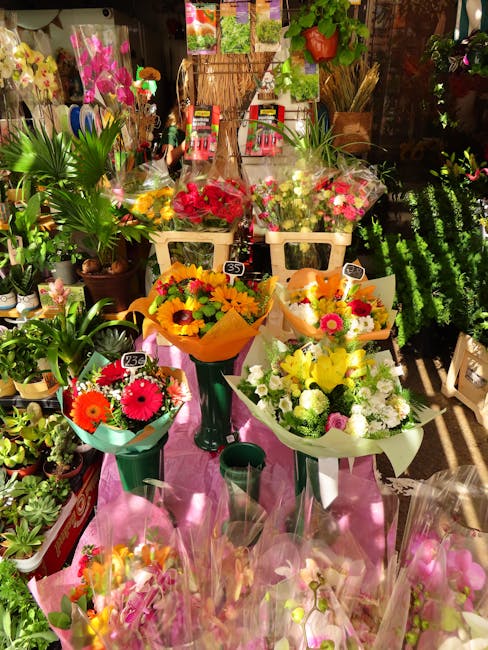
Selling flowers on Stoke Newington Church Street permit rules
Posted on 12/10/2026
Selling flowers on Stoke Newington Church Street permit rules: a practical local guide
If you are thinking about selling flowers on Stoke Newington Church Street, the first thing to get straight is the permit rules. It sounds simple enough, but in practice it can affect where you stand, what you can sell from, how long you can trade, and whether your set-up is allowed at all. Miss a detail and a busy Saturday morning can turn awkward very quickly. Get it right, though, and you can trade with a lot more confidence.
This guide explains the basics in plain English, with a focus on how flower selling usually works in a busy London street setting. We will cover why the rules matter, how permits tend to operate, what traders should check before setting up, and the common mistakes that catch people out. You will also find a checklist, a comparison table, and a few practical examples that should save you a headache or two. Let's face it, nobody wants to spend a wet morning arguing over a pitch when they could be selling roses.

Table of Contents
- Why the permit rules matter
- How the permit rules work in practice
- Key benefits and practical advantages
- Who this is for and when it makes sense
- Step-by-step guidance
- Expert tips for better results
- Common mistakes to avoid
- Tools, resources and recommendations
- Law, compliance, standards, or best practice
- Options, methods, or comparison table
- Case study or real-world example
- Practical checklist
- Conclusion
- Frequently asked questions
Why Selling flowers on Stoke Newington Church Street permit rules Matters
Flower trading is one of those businesses that looks relaxed from the outside. A bucket of stems, a few tied bouquets, a friendly smile, job done. In reality, street trading is regulated for good reasons: pedestrian safety, business fairness, public space management, and local amenity all come into play.
On a street like Stoke Newington Church Street, which attracts shoppers, diners, commuters, and local residents, the council or licensing authority may expect a trader to have the right permission before setting up. That permission can shape where you operate, whether you can use a pavement pitch, what type of display is allowed, and whether you can trade only at certain times.
Why does this matter so much? Because a beautiful display of fresh flowers can still be considered an unauthorised street trading activity if it is not properly permitted. The issue is not the flowers themselves. It is the act of trading in a public place. If you are unfamiliar with the local rules, you may assume a general business registration is enough. Usually, it is not. Different permissions can apply, and the wrong assumption can lead to wasted stock, interruptions, or enforcement action.
There is also a reputation angle. Customers notice order. A tidy, permitted pitch feels more trustworthy than a makeshift setup. In our experience, people are often happy to buy quickly from a trader who looks organised, knows the rules, and keeps the space clear. That sense of calm matters on a busy high street.
How Selling flowers on Stoke Newington Church Street permit rules Works
The exact process depends on the local authority arrangements for the street, but the broad logic is usually the same. If you want to sell flowers from the pavement or another public area, you normally need permission connected to street trading or a similar licensing route. The authority may assess whether the location is suitable, whether the pitch conflicts with traffic or footfall, and whether your trading will create an obstruction.
It is important to separate a few things that are often confused:
- Street trading permission covers selling goods in a public place.
- Business registration is about running a business, not automatically trading on the street.
- Planning or highway consent may matter if you place permanent structures, signage, or anything that affects the public highway.
- Private land permission is different again, because a shop forecourt or private frontage may be governed by the landowner rather than the council, although other rules can still apply.
If you are planning to sell flowers outside a shopfront, from a stall, from a van, or from a temporary display, the details matter. A narrow pavement on a lively road is not the same as a market stall on a designated pitch. One of the first questions to ask is: are you trading on public land, private land, or a formally authorised pitch?
That question sounds basic, but it changes everything. It affects who issues the permission, what conditions apply, and whether you need extra approvals. The sensible approach is to map out your exact trading spot before you buy stock, rent equipment, or print branded signs.
If you already operate a local florist business, it may help to compare your intended set-up with a conventional shop-based model. A regular florist order model, such as those supported by a local florist in Stoke Newington N16, is very different from selling from a pavement pitch. Shop trading tends to be simpler from a permissions perspective, while street trading can involve more moving parts.
Key Benefits and Practical Advantages
It may sound odd to talk about benefits when the subject is compliance, but the permit side actually brings some real advantages. Once you understand the rules, you can build a trading model that is more stable and less stressful.
- Lower enforcement risk: Proper permission reduces the chance of being asked to move on or being fined.
- Clear operating space: You know where you can stand, what footprint you have, and how to set up safely.
- Better trading rhythm: A lawful pitch lets you plan stock, opening hours, and replenishment more sensibly.
- Stronger customer confidence: Shoppers often trust organised traders who clearly belong there.
- Improved business planning: Once the rules are known, it is easier to estimate turnover and manage waste.
There is also a quality benefit. Flowers are perishable, so timing matters. If you are legally set up to trade in a good location, you can rotate stock more effectively, keep stems fresher, and reduce unsold waste. That matters whether you are selling bunches for birthdays, sympathy flowers, or simple mixed hand-ties.
And to be fair, there is a small but real peace-of-mind benefit. When you are not second-guessing whether you should be there, you can focus on service. That is a big deal on a street where passing trade can be quick and competitive.
Who This Is For and When It Makes Sense
This topic is relevant to several types of sellers. Some are established florists looking to expand beyond the shop. Some are event traders trying to sell seasonal flowers. Others are new entrants who want to test demand before committing to a permanent retail site.
You may need to look closely at permit rules if you are:
- a florist planning a pavement display or pop-up stand;
- a market-style trader selling bouquets near Stoke Newington Church Street;
- a seasonal seller offering flowers around busy times such as Valentine's Day or Mother's Day;
- a mobile trader using a van or trolley;
- a business that wants to test a local area before investing in a full storefront;
- someone selling event flowers, perhaps for weddings, funerals, or special occasions.
It makes sense to focus on permit rules when your model depends on footfall, visibility, or impulse buying. Flowers are emotional purchases. People often buy because they see a bouquet at the right moment on the right street. But that immediacy also means your setup must be clean, practical, and in line with local requirements.
If your business is more about pre-orders, subscriptions, or delivery, the rules still matter less directly, though not entirely. A delivery-led shop model, such as flower delivery in Stoke Newington N16, leans away from street trading pressure. That can be a useful comparison if you are deciding whether to trade from the street or lean into delivery instead.
Step-by-Step Guidance
Here is a practical way to approach the process without getting tangled up in assumptions.
- Define your exact trading model. Are you planning a stall, pavement display, mobile unit, or temporary roadside set-up? Write it down clearly.
- Confirm the location. Be specific about the stretch of Stoke Newington Church Street, because permissions can change depending on the precise spot.
- Check what kind of permission is needed. You may need street trading permission, a licence, landowner consent, or a combination.
- Assess the practical footprint. How much space will the flowers, buckets, signage, and customer queue take up?
- Think about safety and access. Pedestrian routes, wheelchair access, nearby crossings, shop entrances, and emergency access are all relevant.
- Prepare your trading details. Have your contact information, trading times, and business description ready.
- Plan stock handling. Flowers need water, shade, tidy presentation, and regular refreshment.
- Check ancillary requirements. Depending on the set-up, there may be insurance, waste disposal, or display-related conditions.
- Keep records. Save permission details, dates, renewal reminders, and any conditions attached to the approval.
- Review performance. After a few trading days, note what sells, what gets damaged, and whether the pitch is practical.
A simple example: if you are planning to sell mixed bouquets outside a busy cafe at peak Saturday footfall, it may look perfect on paper. But if the bunch buckets narrow the footpath or customers block the entrance, you have a problem. The best pitch is not always the one with the most people passing by; it is the one that works safely and consistently.
One more thing. If the permission route is unclear, do not improvise for long and hope for the best. That is how people end up with a lovely display and an uncomfortable conversation later on. Not ideal.
Expert Tips for Better Results
Good flower trading is about more than obtaining permission. The traders who do well tend to combine compliance with practical street sense.
1. Keep the display compact and elegant
Flowers do not need a huge footprint to sell well. In fact, a tight, well-curated display often looks better than a sprawling one. Use height carefully, keep sightlines open, and avoid crowding the pavement.
2. Match stock to the street
If the area sees a lot of last-minute gift buying, keep easy grab-and-go bouquets ready. If customers are likely to browse, mix premium stems with simpler bunches. A local street is not a generic marketplace; it has its own rhythm.
3. Protect freshness from the start
On warm afternoons, flowers can wilt faster than you think. Shade, clean water, and quick turnover matter. A fresh-looking display does more for sales than another handwritten sign ever will.
4. Build in flexibility
If your first choice of pitch is not approved, have a backup plan. Could you switch to delivery, shop collection, or a different lawful trading location? Flexible businesses recover faster.
5. Keep a paper trail
Save copies of permits, communications, and any special conditions. If an issue comes up, being able to show the details calmly is far better than searching through messages on the spot.
And yes, it can feel a bit bureaucratic. But bureaucracy has a funny way of becoming less irritating once it stops being a surprise.

Common Mistakes to Avoid
Most problems come from a few predictable missteps. Avoid these and you will already be ahead of the pack.
- Assuming a private arrangement is enough: A verbal nod from a shopkeeper may not replace official permission if the trading space is public.
- Ignoring pavement width: A display that looks fine at 7am may block people by lunchtime.
- Mixing up delivery and street trading: Delivering flowers is one thing; selling from a public pitch is another.
- Buying stock before approval: Fresh flowers do not like uncertainty, and neither does your margin.
- Forgetting weather impact: Rain, wind, and heat can change the usability of a pitch in a heartbeat.
- Not checking renewal rules: A permit that expires quietly can cause unnecessary disruption.
- Overloading the display: Too much product can make the setup look messy and cause congestion.
Another common one is forgetting that street trading rules are not just about the seller. They are about everyone else using the street too. If your stand makes people step into the carriageway or squeeze around planters and bins, the site probably needs rethinking. Harsh, but fair.
Tools, Resources and Recommendations
You do not need a huge toolkit to trade flowers well, but a few practical items make life easier.
- Measuring tape: Useful for checking your real footprint before you set up.
- Mobile phone notes: Handy for keeping permit dates, contact details, and stock plans together.
- Water containers and buckets: Clean, stable containers help preserve freshness.
- Weather cover: A small canopy or protective cover may help, provided it is allowed and safe.
- Signage: Keep pricing clear and simple, so customers do not need to ask twice.
- Waste bags or crate system: Makes cleanup much quicker at the end of the day.
- Insurance documentation: If you have public liability cover or another relevant policy, keep the details accessible.
For a broader business context, you may also find it helpful to look at the site's policies and practical support pages, especially if you are already trading online or combining channels. Pages such as about the business, delivery information, and flower care advice can help you think through how a street-facing model fits with the rest of your operation.
If you offer special-occasion flowers, it can also be worth reviewing range planning. A street pitch near Stoke Newington Church Street may do better with the kinds of lines people buy on impulse, such as birthday flowers, romantic bouquets, or thank-you flowers. Sometimes the commercial answer is not more variety. It is the right variety.
Law, Compliance, Standards, or Best Practice
Because this topic touches local trading permissions, it is wise to be careful and specific. The exact rules for selling flowers on Stoke Newington Church Street can depend on the local authority's street trading framework, any designated pitches, highway rules, and possibly the status of the land where you trade. You should not assume that one permission covers every situation.
In practice, the key compliance themes are usually:
- Authorisation: make sure you have the right permission for the specific trading activity and location;
- Safety: do not obstruct pedestrians, crossings, access points, or emergency routes;
- Fair use of space: respect the public realm and nearby businesses;
- Clarity: know the trading hours, footprint, and conditions attached to your permission;
- Hygiene and upkeep: keep water, waste, and discarded stems under control;
- Consumer fairness: price flowers clearly and avoid misleading descriptions.
If you are operating in a way that involves packaging, waste, payment systems, or customer data, your wider business compliance matters too. That may include the way you handle cards, receipts, returns, and privacy-related information. The exact obligations vary by business model, but good record-keeping is always sensible.
Best practice is straightforward enough: trade in a way that is visibly tidy, easy to walk past, and respectful of the street. That is not just about avoiding trouble. It is also how you build repeat business. A pleasant, well-run flower pitch often becomes part of the street's rhythm rather than an interruption to it.
Options, Methods, or Comparison Table
If you are deciding how to sell flowers near Stoke Newington Church Street, it helps to compare the most common approaches side by side.
| Method | Typical permission needs | Practical pros | Practical drawbacks |
|---|---|---|---|
| Pavement or street pitch | Usually the most sensitive; may require specific street trading permission | High visibility, impulse buys, strong local footfall | More compliance, weather exposure, space limits |
| Shopfront display | Depends on whether the display uses public land or private frontage | Better brand presence, easier stock control | Still can raise obstruction or frontage issues |
| Delivery-led model | Usually less about street permissions, more about business operations | Broader reach, predictable workflow | Less spontaneous footfall, depends on online or phone orders |
| Pop-up or seasonal trading | Often needs temporary permission or event-specific approval | Great for special dates and local events | Short trading window, more setup effort |
If your main goal is visibility and the street scene suits your brand, a permitted pitch can be powerful. If your goal is predictability, a delivery-focused or shop-based model may be the calmer route. Neither is automatically better. It depends on your stock, margins, and how much operational friction you are willing to handle.
Case Study or Real-World Example
Picture a small florist trying to test demand near Stoke Newington Church Street over a spring weekend. The idea is simple: two buckets of mixed bunches, a chalkboard price sign, and a compact stand near a busy stretch with decent footfall. At first glance, it seems ideal. People are out, the weather is mild, and the flowers look brilliant in the morning light.
But once the trader measures the space properly, a few problems appear. The pavement is narrower than expected. A neighbouring shop keeps its entrance busy throughout the day. A queue forms near the corner. That means the original setup would have been awkward at best and obstructive at worst.
The better version of the plan is to reduce the footprint, use a small display, and keep the whole arrangement close to the agreed boundary. The trader also decides to carry fewer stems, focusing on a few reliable lines rather than too much choice. Roses, mixed seasonal bouquets, and a couple of sympathy-style arrangements are enough to test demand without creating waste.
The result? Less stress, cleaner presentation, and fewer decisions on the fly. Not glamorous, maybe, but effective. And honestly, on a busy London street, effective is what matters.
Practical Checklist
Use this checklist before you set up:
- Have you confirmed whether the trading spot is public land or private frontage?
- Do you know which permission, licence, or consent applies?
- Is your exact location acceptable for pedestrian flow and access?
- Have you measured your setup, including buckets, signage, and queue space?
- Do you have written permission or proof of approval where needed?
- Have you planned for rain, wind, heat, and fresh water?
- Are your prices clear and easy to read?
- Do you know your trading hours and any expiry or renewal dates?
- Have you considered stock levels to reduce waste?
- Do you have a cleanup plan for the end of the day?
If you can tick most of those off, you are in a far better place than someone winging it with a few buckets and a hope. A small bit of prep goes a long way.
Conclusion
Selling flowers on Stoke Newington Church Street can be a smart local business move, but only if the permit rules are handled properly from the start. The good news is that once you understand the difference between street trading permission, shopfront arrangements, and delivery-led selling, the whole thing becomes much more manageable.
Flowers sell best when they feel fresh, well-presented, and easy to buy. That only happens when the trading set-up supports the product. So before you invest too heavily, map the location, confirm the rules, and make sure your display works for both customers and the street around it. Small details, big difference.
If you are weighing up your next step, start with the model that gives you the least friction and the clearest legal footing. Then grow from there. That is usually the calmest way to build something lasting.
Get a free quote today and see how much you can save.
Frequently Asked Questions
Do I need a permit to sell flowers on Stoke Newington Church Street?
Usually, yes, if you are selling from a public street or pavement area. The exact permission depends on the location, the trading format, and the local authority rules. A normal business registration alone is unlikely to cover street trading.
Can I sell flowers from outside a shop if the shop owner agrees?
Possibly, but shop owner permission is not always enough on its own. If the space is public or affects the highway, you may still need formal approval from the relevant authority. It is one of those situations where a friendly agreement is helpful, but not the whole story.
What kind of flowers sell best on a busy London street?
Compact mixed bouquets, roses, seasonal bunches, and gift-friendly arrangements often work well for impulse buying. That said, your best sellers will depend on the time of week, the season, and the kind of footfall you get.
Is street trading different from running a flower delivery business?
Very much so. Delivery-led flower selling usually focuses on online orders, fulfilment, and logistics, while street trading is about public space use and permission to trade in a specific place. The operational pressures are quite different.
How do I know if my pitch is too large?
If people need to squeeze past, if entrances are blocked, or if your display spills into the natural walking line, it is probably too large. A pitch should feel easy to pass, not something pedestrians have to negotiate around like an obstacle course.
Can I trade only on weekends?
Maybe. Some permissions or local arrangements may allow limited trading days or hours. The exact schedule will depend on the permission granted and any conditions attached to it.
What if I want to sell flowers at Valentine's Day or Mother's Day only?
Seasonal trading can make sense, but it still usually needs the correct permission. Temporary or event-based setups may have different rules from year-round trading, so plan ahead rather than assuming a short run means fewer requirements.
Do I need insurance?
Insurance is often wise for any trading activity, especially if you are operating in public space with stock, equipment, or customer interaction. The exact cover you need depends on your business model, but public liability cover is commonly considered.
Can I use a van as a flower-selling base on the street?
Sometimes, but van-based trading can trigger additional considerations around parking, highway use, and permissions. A parked van is not automatically a legal trading pitch. Check the details carefully before relying on it.
What happens if I trade without the right permission?
You may be told to stop, move, or apply properly, and there can be enforcement consequences depending on the circumstances. It is not worth gambling on, especially with fresh stock that can wilt while you sort it out.
How should I price flowers for a street pitch?
Keep pricing simple and visible. Street customers usually respond best to clear, fast decisions. A small range of well-priced bouquets is often better than a complicated menu that slows people down.
Are there better alternatives if a street pitch is not suitable?
Yes. A delivery model, a shopfront display, or a small pre-order system may be easier to manage and less exposed to permission issues. For some sellers, that ends up being the smarter route. No shame in that at all.
However you approach it, the main thing is to build a flower business that fits the street instead of fighting it. That little bit of discipline tends to pay off in the end.